



Silence From the Cockpit: An Airline Pilot's UAP Confession
When it comes to unidentified anomalous phenomena, or UAPs, commercial airline pilots may be among the most credible witnesses in the sky. They spend thousands of hours in the cockpit, are trained to identify aircraft and weather conditions, and understand when something they are seeing does not behave like conventional aviation.
So why are so few pilots reporting what they see?
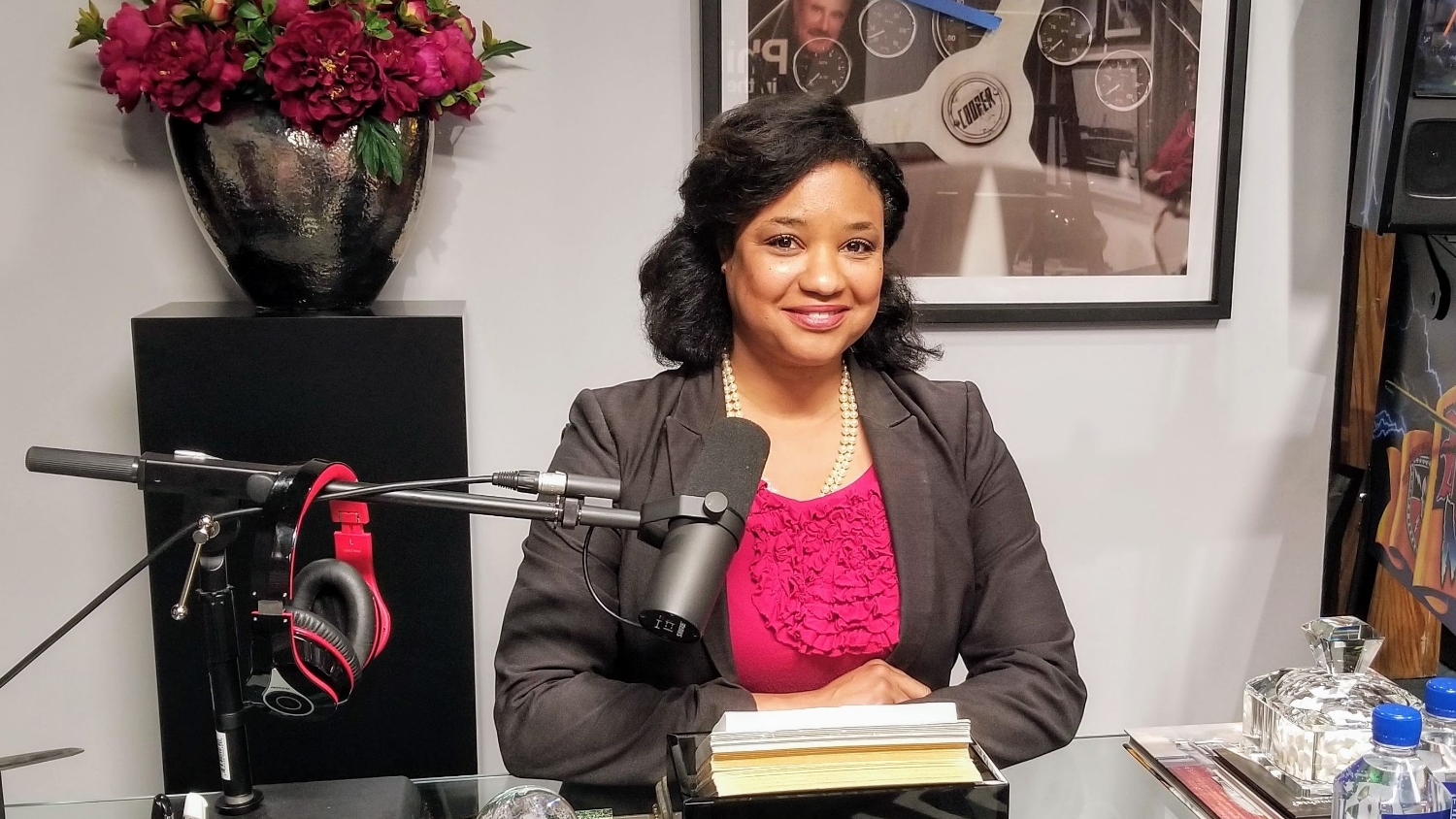
Dr. Phil speaks with “Kurt,” a pilot for a major U.S. airline who is appearing on condition of anonymity, about what he says is a culture of fear surrounding UAP sightings in commercial aviation.
According to Kurt, only a small percentage of pilots who witness unexplained objects or unusual aerial activity formally report those encounters. The reason, he says, is not necessarily uncertainty about what they witnessed. It is concern about what could happen after they speak up.
Watch the Full Interview
Watch “Silence From the Cockpit: An Airline Pilot's UAP Confession”
Why Pilots May Stay Silent About UAP Sightings
Pilots are trained to protect their passengers, their aircraft and their careers. Reporting something that cannot be easily explained can carry consequences that some pilots believe simply are not worth the risk.
Kurt tells Dr. Phil that pilots may fear being ridiculed, questioned by their employers or viewed as unreliable. Even more concerning, he says, is the possibility that reporting an unusual sighting could raise questions about a pilot’s medical fitness to fly.
For a commercial airline pilot whose livelihood depends on maintaining medical certification and professional credibility, that perceived risk can be enough to keep an extraordinary encounter out of an official report.
But Kurt says the pressure does not come only from airline management, regulators or government agencies.
He claims one of the biggest deterrents may be other pilots.
A Culture of Silence Inside the Cockpit
According to Kurt, pilots themselves can sometimes reinforce the stigma surrounding UAP reports through jokes, skepticism and professional judgment.
That creates a powerful dilemma.
A pilot may witness something that appears to move in ways conventional aircraft cannot, yet still decide that saying nothing is safer than becoming known as “the pilot who saw a UFO.”
Dr. Phil examines what that silence could mean for the larger UAP conversation.
If trained aviation professionals are regularly witnessing unexplained phenomena but are reluctant to document those encounters, an important source of data may be missing from the public record.
The issue becomes larger than whether someone personally believes UAPs represent advanced technology, classified aircraft, atmospheric phenomena or something still unexplained. The question is whether pilots should be able to report what they observe without fearing damage to their careers.
Are We Missing Critical UAP Evidence?
As public attention intensifies around government UAP investigations and demands for greater transparency, pilot testimony could become increasingly important.
Commercial pilots occupy a unique vantage point. They routinely travel through heavily monitored airspace, understand aviation systems and can distinguish many ordinary aerial objects that might confuse an untrained observer.
Yet if pilots do not feel safe reporting unusual encounters, potentially valuable information may never reach investigators.
Dr. Phil presses Kurt on what he has heard from fellow pilots, why the stigma remains so powerful and what would need to change before more aviation professionals are willing to come forward.
The conversation raises a troubling possibility: The biggest obstacle to understanding what is happening in our skies may not be a lack of witnesses. It may be that the witnesses are afraid to talk.

For anyone looking up p999 game login, having the basic account-access information clearly organized is convenient. A concise explanation can help users understand where to start while keeping the discussion focused on the information they actually need.
I found this article enjoyable to read because the information feels clear and thoughtfully organized. The writer has explained the main points in a simple way and included practical details that 51club add value. I particularly liked the logical flow of the content because it makes understanding the subject easier. The language is also comfortable and natural. Overall, this is a useful article for anyone who wants straightforward information and a better understanding of the topic.
It’s fascinating how the pilot’s experience highlights the unexpected challenges faced in the sky, which really makes you appreciate the precision needed in any skill, like playing a digital keyboard. The dedication to mastering complex instruments—whether in aviation or music—is truly impressive. online harmonium
I found the pilot's account of UAP encounters super intriguing! It really got me thinking about how rare such confessions are and what they mean for our understanding of air safety. Do you think gaming like subway surfers, which often features speed and agility, reflects our fascination with escaping or exploring the unknown?
This was a fascinating discussion about UAP sightings and the challenges pilots may face when reporting unusual experiences. I found the idea of a “culture of silence” particularly interesting because reliable observations and open reporting are important when trying to understand unexplained events. The interview also raises thoughtful questions about how aviation professionals can share information without fear of ridicule or career consequences. It was an engaging read, much like exploring a detailed Salem Menu Guide and discovering unexpected information along the way.