


Psychology of Disclosure: The Conversation No One's Having
What happens psychologically if the government confirms we are not alone?
For decades, the UAP conversation has centered on evidence, secrecy, government hearings, classified files, military encounters and the question of what exactly is moving through our skies.
But there is another question that has received far less attention:
What happens to people when the answer finally comes?
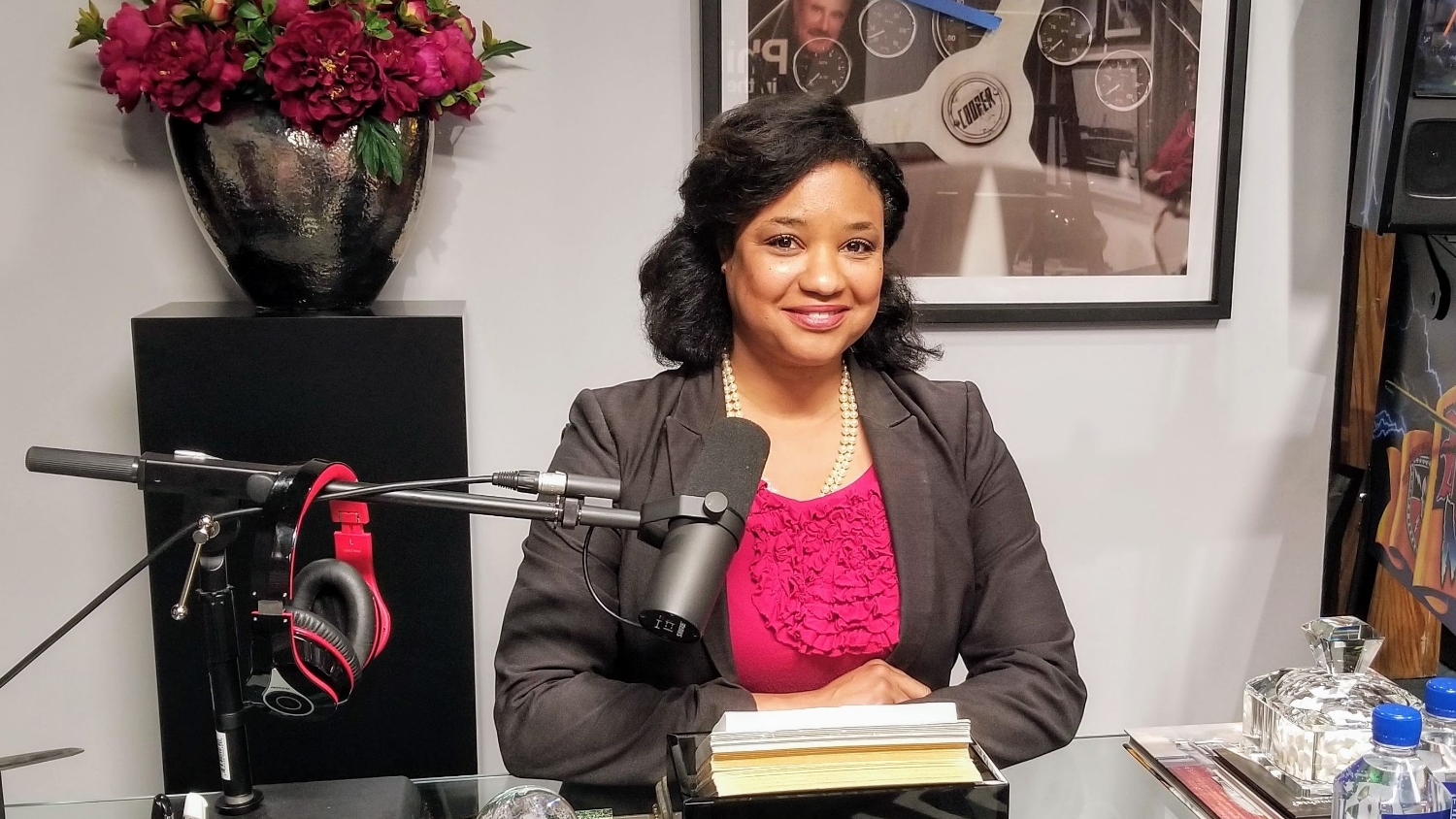
Dr. Phil speaks with clinical psychologist Dr. Jennice Vilhauer about what she says may be one of the most overlooked parts of UAP disclosure: the psychological impact.
Her concern is simple but consequential. If extraordinary information is released gradually through hearings, reports, whistleblower testimony, declassified files and official statements the public may be receiving potentially world-changing information without any meaningful guidance for how to process it.
As Dr. Vilhauer puts it, we may be getting the truth with no instructions.
UAP Disclosure Is More Than an Information Problem
Much of the disclosure debate focuses on one question: What does the government know?
Dr. Vilhauer argues that psychology should be asking a different one:
What will people do with that knowledge once they have it?
A major disclosure involving non-human intelligence, unexplained technology or evidence that fundamentally changes humanity’s understanding of its place in the universe could challenge deeply held beliefs about religion, science, government, identity and reality itself.
For some people, that information may be fascinating or validating.
For others, it could be destabilizing.
Dr. Phil and Dr. Vilhauer examine why the psychological consequences of disclosure may vary dramatically from person to person and why simply assuming that “everyone will be fine” is not a serious preparedness strategy.
Who Could Be Most Vulnerable?
One of the central questions in the conversation is who may be most affected if major UAP disclosures occur.
People do not process disruptive information in the same way. Personal belief systems, anxiety levels, trauma history, cultural background, trust in institutions and existing mental-health vulnerabilities can all influence how someone responds when a foundational assumption about the world is challenged.
That does not mean disclosure would automatically trigger widespread panic.
It does mean that psychologists, physicians, educators, families and institutions may need to think seriously about how people could react to information that radically changes their understanding of reality.
Dr. Vilhauer argues that preparation should begin before a major announcement, not after it.
Why Psychology Has Largely Avoided the UAP Question
The episode also examines why the mental-health profession has historically been reluctant to engage seriously with people reporting extraordinary aerial encounters.
For decades, witnesses who described UFO or UAP sightings were frequently dismissed, ridiculed or assumed to be unreliable.
That stigma may have carried significant consequences.
Pilots, military personnel, government employees and ordinary citizens have reported encounters they could not explain, yet many feared that speaking openly could damage their careers or reputations or lead others to question their mental health.
Dr. Phil and Dr. Vilhauer explore whether psychology may have sometimes confused the content of an unusual experience with the credibility or psychological stability of the person reporting it.
That distinction becomes increasingly important as governments and military institutions publicly acknowledge that some UAP incidents remain unresolved.
Seventy Years of Stigma
The modern UAP debate carries decades of cultural baggage.
For generations, the subject was associated with science fiction, conspiracy theories and ridicule. Witnesses were often treated as though reporting something unexplained automatically made their testimony suspect.
But as military footage, congressional hearings, government reports and sworn testimony have brought UAPs into mainstream public discussion, that assumption is being challenged.
If some witnesses were describing legitimate unexplained events, what does that mean for the people who were dismissed or stigmatized for talking about them?
Dr. Vilhauer raises a difficult question for the psychological community: Were some witnesses treated as psychological problems when the real problem was that society did not know how to categorize what they experienced?
The UAP Question Psychology Can’t Ignore
The disclosure debate is usually framed around evidence:
What exists?
Who knows about it?
What has been hidden?
When will the public be told?
Dr. Phil and Dr. Jennice Vilhauer add another question that may ultimately be just as important:
Are we psychologically prepared for the answer?
Because if the world is approaching a revelation unlike anything humanity has experienced before, information alone may not be enough.
The public may need something it has rarely been offered in the UAP conversation:
A plan for what happens next.

Hey, this post really made me think! Why do you think so many people struggle to open up about their mental health? It reminds me of that tension in five nights at freddy's where characters hide their fears—do you feel like those secrets can haunt us in real life too? Curious to hear your thoughts!
Looks like you’ve got a great collection! The designs are sleek and stylish. The Delta Airlines LAS Terminal provides convenient airport facilities and passenger services for travelers flying with Delta Airlines from Harry Reid International Airport. Passengers can receive assistance with check-in, boarding passes, baggage drop-off, flight schedules, seat-related inquiries, and other pre-departure requirements. Travelers can also find information about baggage allowances, airport procedures, and special assistance services, including wheelchair support and other accessibility arrangements. Passengers should check their flight details and terminal information before arriving at the airport, as airport operations and terminal assignments may change.
Para finalizar, considero que disponer de Horarios de sorteos bien organizados hace que la búsqueda de información sea mucho más sencilla. Las fechas claras permiten planificar consultas, diferenciar jornadas y comprobar posteriormente los resultados correspondientes con mayor facilidad.
Makeup can be used safely as part of a skin-care routine when products are handled properly. Removing makeup before sleeping is especially important because leaving it on overnight may contribute to clogged pores or irritation. Makeup tools should also be cleaned regularly because brushes and sponges can collect oil, residue, and microorganisms. Choosing https://www.luxskinlasers.com/ products that feel comfortable on your skin and replacing old makeup according to recommended guidelines can support better hygiene and skin comfort.
this is a crucial angle that often gets overlooked in the uap discussion. focusing on the psychological readiness and potential impact on public belief systems is vital. the article rightly points out that disclosure isn't just about releasing data, but about managing the human response to it. the mention of a lack of processing guidance is a sobering point. it frames the conversation in a much-needed, human-centric way. Lyrics Into Song