


Toxic Personalities In The Real World (Part 1)
- LaFern Cusack
- Oct 19, 2021
- 2 min read
Updated: Nov 22, 2021
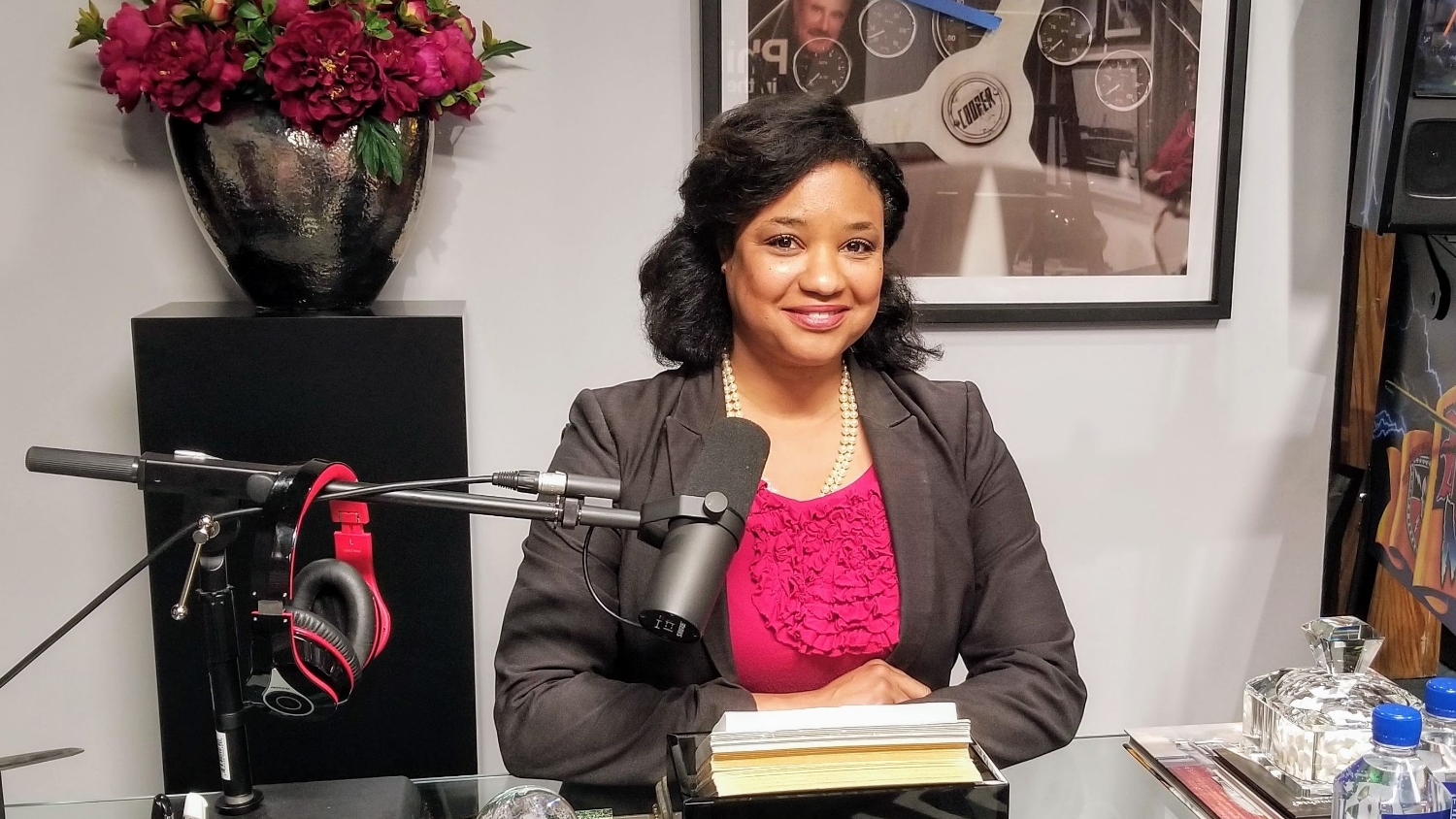
Are you living with a Narcissist? Find out all about Narcissistic Personality Disorder on Dr. Phil’s new mental health podcast series, “Phil in the Blanks: Toxic Personalities in the Real World.” Listeners will learn about Narcissistic Personality Disorder; how to recognize it, establish boundaries, and how to co-exist with those in your life who may have it with tools and guidelines that can help minimize damage to oneself and loved ones. Then, stay tuned for additional episodes when Dr. Phil addresses other types of Cluster B personalities, like Borderline Personality Disorder, Schizoaffective Personality Disorder, and more!
LISTEN NOW
Please help by sharing, rating, reviewing, and adding a comment on: Apple Podcasts or click here for other podcast platforms
How To Handle A Narcissist
Get Connected & Let Dr. Phil Know What You Thought About The Episode:
Instagram:
Twitter:
Facebook:
Podcast Page: DrPhilintheBlanks
Dr. Phil Phanatics Facebook Page (Members Only)
Dr. Phil Defines Narcissistic Personality Disorder
Keep your power. Set up your fence lines. Recognize that there comes a time when you have to recognize that not everybody you lose is a loss. Know that it's not your job to fix them. - Dr. Phil McGraw
Types of Personality Disorders
Source: DSM-5
Narcissistic Personality Disorder:
Grandiose sense of self-importance
Preoccupied with fantasies
Belief of being “special” and unique
Requires excessive admiration
Sense of entitlement
Interpersonally exploitative
Lacks empathy
Envious of others or believes others are envious
Shows arrogant, haughty behaviors or attitudes
Narcissistic Tactics
Treatment
Certain types of psychotherapy are effective for treating personality disorders.
Will depend on the specific personality disorder, how severe it is, and the individual’s circumstances.
Commonly used types of psychotherapy include:
Psychoanalytic/psychodynamic therapy
Dialectical behavior therapy
Cognitive behavioral therapy
Group therapy
Psychoeducation (teaching the individual and family members about the illness, treatment and ways of coping)
No medications specifically to treat personality disorders
Medication, such as antidepressants, anti-anxiety medication or mood stabilizing medication
Self-care and coping strategies:
Learn about the condition. Knowledge and understanding can help empower and motivate
Get active
Avoid drugs and alcohol
Get routine medical care
Join a support group
Write in a journal to express your emotions
Try relaxation and stress management techniques
Stay connected with family and friends
Having a family member with a personality disorder can also be distressing and stressful.
Family members may benefit from talking with a mental health provider who can provide help coping with difficulties.



I enjoyed reading this review because it covered every important aspect of the movie in a clear and interesting manner. The reviewer discussed the direction, screenplay, and performances with honesty and detail. It felt like a genuine opinion rather than promotion. Reviews like this are always worth reading.
mp4moviez
This topic hits pretty close, honestly. I once saw a discussion on SweepStars where someone compared dealing with toxic people to being stuck in a bad game loop — no rewards, just draining energy every time you engage. Kinda made sense to me, like sometimes the best move is just to step away instead of trying to “play through” it. Curious how others usually handle it without getting pulled back in.
I found the Jalwa game login system very efficient. It takes only a few seconds to log in, and I can start playing immediately without waiting or facing any glitches.
This game truly lives up to its name—Jalwa! The design, speed, and gameplay are impressive. It keeps getting better with updates, making it one of my favorite games to play regularly.
This guide makes understanding Playtime PH Promotion very easy and practical.