


The Dirty Truth About America’s Chemical Nightmare: Dr. Phil & Former DEA Insider Reveal the Hidden Crisis You Need to Know
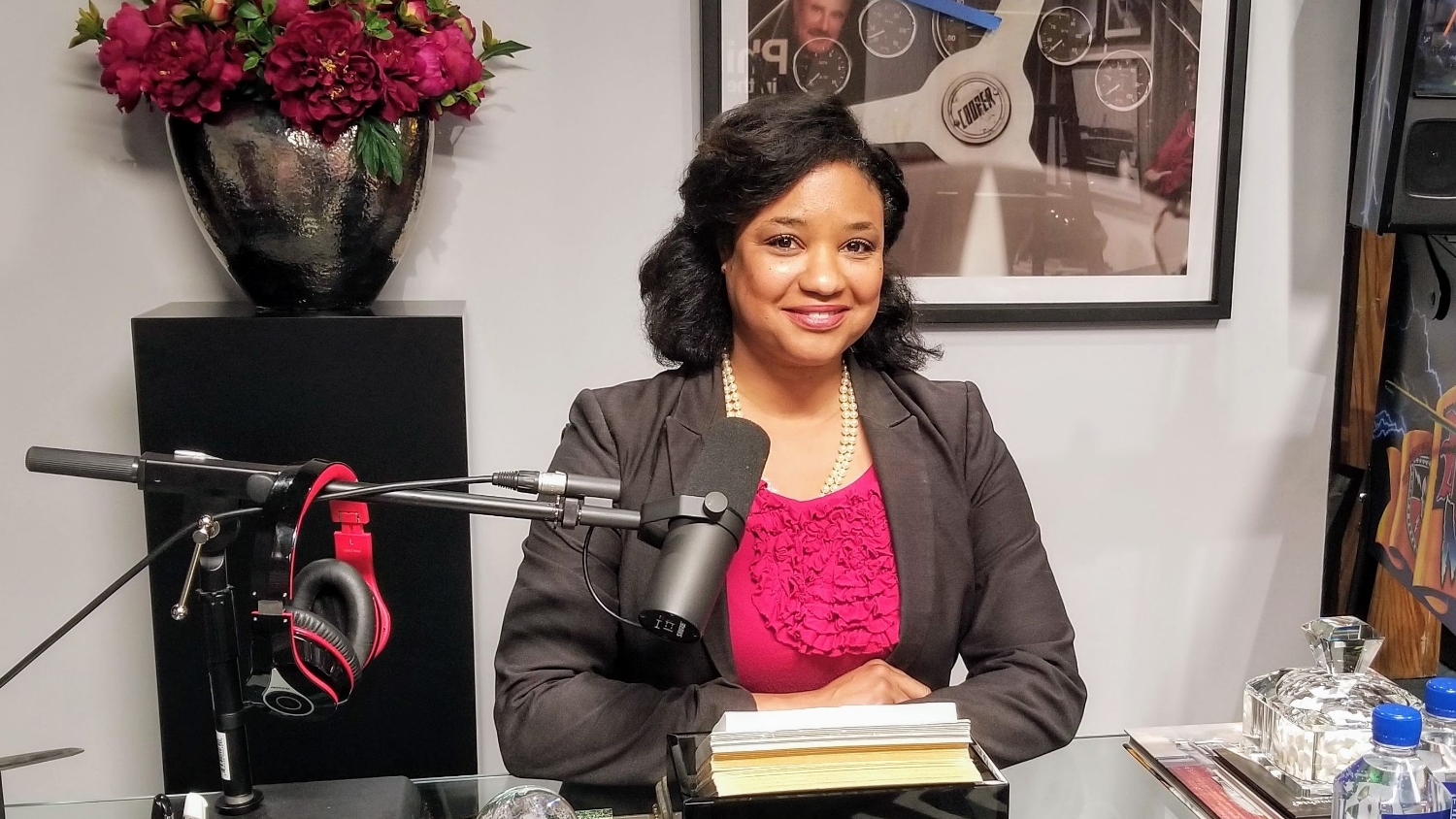
Dr. Phil McGraw and DEA Insider Derek Maltz unveil the dirty truth about America’s chemical nightmare, a hidden, fast-spreading crisis you need to know about right now.
A ruthless drug pipeline, an invisible war, and a truth every American needs to hear.
A War on American Soil- Chemical Nightmare
When former DEA Special Operations Director Derek Maltz sat down with Dr. Phil, the conversation was more than another interview, it was an urgent warning.
Behind America’s addiction crisis lies a hidden chemical invasion, a network of Chinese chemical suppliers and Mexican cartels manufacturing synthetic opioids so potent they can kill on contact.
“This is not something that’s coming, it’s already here,” Dr. Phil warns.“We are living in a chemical war.”
The Rise of Synthetic Killers
According to Maltz, today’s crisis has evolved far beyond fentanyl.
“We now have the nitazenes — synthetic opioids 20 to 100 times more powerful than fentanyl,” he explains.
These lab-made killers are cheap, potent, and shockingly easy to produce. Through encrypted apps and social media platforms, young people are being targeted with fake pills that look identical to prescription medication — but contain lethal doses of these new compounds.
This episode connects the dots between international chemical suppliers, transnational cartels, and a generation caught in the crossfire.
The Hidden Supply Chain
Maltz traces the global routes: chemicals from China, production in Mexico, and distribution across U.S. borders — often by American citizens unknowingly working for cartels.
“It’s a multi-billion-dollar chemical attack,” Maltz says.“They’re exploiting our weaknesses, killing our kids, and destabilizing our communities.”
Dr. Phil calls this pattern a silent invasion, fueled by greed and enabled by denial. His goal: shine light on the mechanisms that keep this deadly trade alive.
Faces Behind the Statistics
Beyond the data are the victims. Families who’ve lost children to what looked like an innocent pill, or who believed they were safe ordering from a “trusted” online source.

Dr. Phil and Maltz discuss the heartbreaking personal stories of parents who turned their grief into advocacy, from public awareness campaigns to education programs reaching schools nationwide.
Each story, same truth: one pill can destroy an entire family.
Why This Matters and What You Can Do
How to recognize synthetic opioid risks in your community.
Why most counterfeit pills are disguised as legitimate prescriptions.
The signs of overdose every parent, teacher, and friend should know.
What policymakers and citizens can do to turn awareness into action.
“This is about love, not blame,” Dr. Phil says.“If we stay silent, the next victim could be your child.”
Watch | Listen | Share
👉 Listen now: The Dr. Phil Podcast on Spotify, Apple Podcasts, and YouTube
Join the conversation: #DirtyTruth #ChemicalWar #DrPhilPodcast Learn more: DEA.gov/fentanylawareness

Thank you for shedding light on such a critical issue, Dr. Phil. The insights from the former DEA insider are eye-opening! It makes me reflect on how our choices, like in games such as drift boss, mirror real-life consequences regarding chemicals and health. Awareness is the first step to change!
Nice resource—anyvoice makes it surprisingly easy to generate natural-sounding voice from text.
Wow, this is such a scary topic. It is crazy how many hidden chemicals are out there. I need a distraction from all this bad news! I love how soflo wheelie life brings together open-world freedom and realistic stunt performance; each challenge feels new, and the lifelike physics make practicing balance and timing genuinely enjoyable.
Great article! A hackathon organizer plays a key role in planning challenges, managing participants, coordinating mentors, and keeping the event on track. Good organization can create a smooth experience while encouraging innovation, teamwork, and practical problem-solving.
Wow, this is such a scary topic. It is crazy how many hidden chemicals are out there. I need a distraction from all this bad news! Does anyone know the meccha chameleon release date? I really want to play that new game to relax.